History of the Toothbrush
A toothbrush is a handheld tool with bristles used to clean teeth and gums as part of routine oral hygiene.
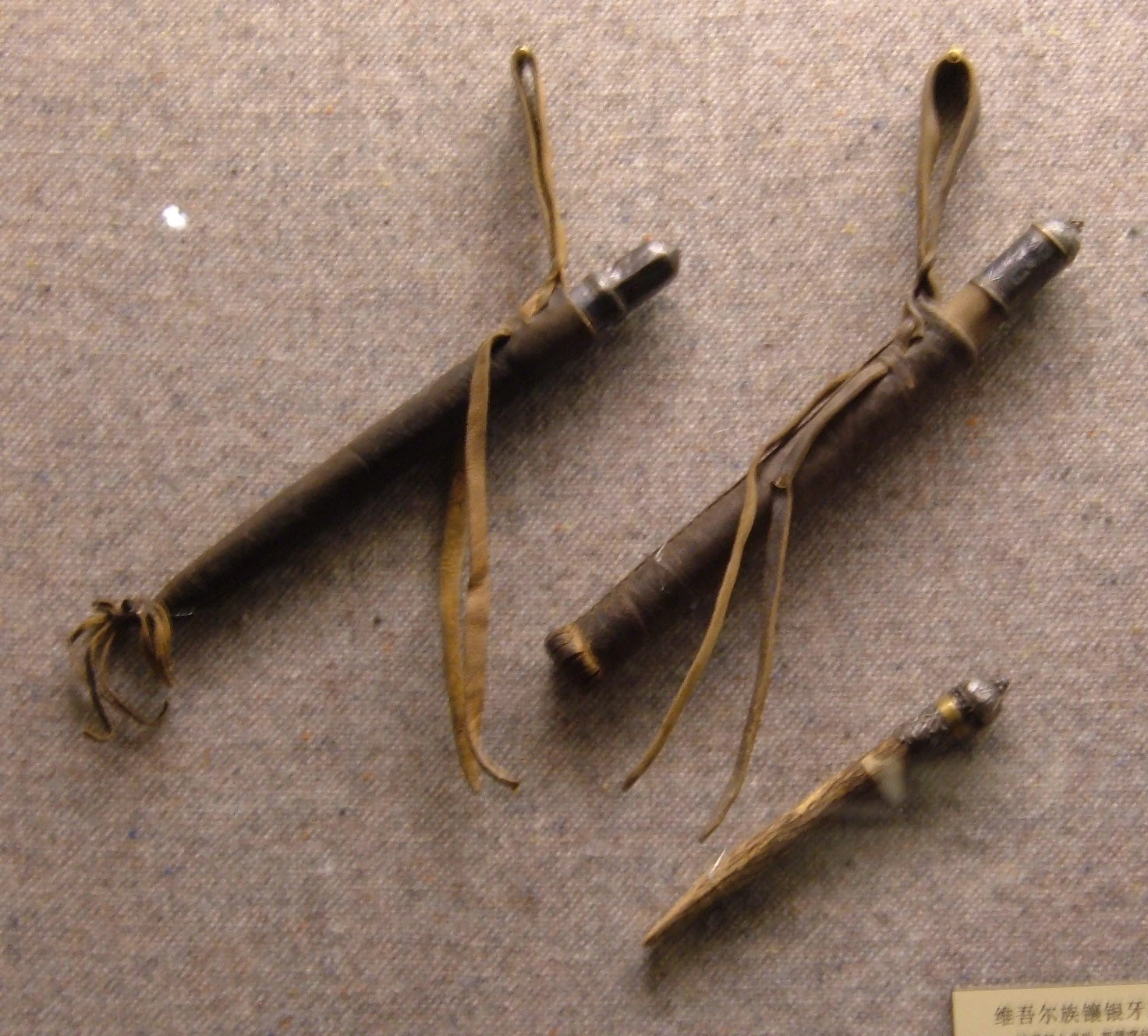
What the toothbrush was used for
Tooth-cleaning tools were used to remove food residue from teeth, reduce mouth odor, and keep gums in better condition. In daily life, cleaning was often done in the morning or after meals, and in many households it became tied to broader washing routines.
Before standardized brushes were common, people used chew sticks, cloths, twigs, fingers, powders, and rinses to clean the mouth. The toothbrush gradually combined these functions into a single reusable object that could be kept at home or carried for travel.
Materials and construction
Early brush forms used natural materials: wooden or bone handles with animal bristles fixed into drilled holes. Bristles varied in stiffness and quality, and natural fibers absorbed moisture, which affected durability and cleanliness over repeated use.
Regional practices differed. Chewing sticks made from specific plant species were common in parts of Africa, the Middle East, and South Asia, while bristle brushes were documented in China and later spread through trade and imitation to Europe.
Museum examples from the early 20th century also show more specialized forms, including Uygur toothbrushes with decorative metal inlay. These refined objects suggest that in some settings oral-care tools could function as personal status items, not only as basic household implements.
In the 19th and 20th centuries, industrial production standardized handle shapes and bristle placement. Synthetic materials, especially nylon bristles and molded plastic handles, improved consistency, lowered cost, and made toothbrushes more widely available.
Toothbrush in daily social life
The toothbrush became a personal object linked to privacy, bodily care, and household order. Unlike shared wash basins or communal towels in some settings, brushes were usually assigned to individuals, reinforcing personal hygiene routines within family life.
Schools, military institutions, and workplaces helped normalize regular toothbrushing by pairing it with public health messaging and discipline around daily schedules. Access still varied by income, infrastructure, and local availability of manufactured goods.
As urban housing added dedicated wash spaces and running water, brushing became easier to perform consistently. The object's ordinary presence in the home reflected broader changes in expectations around cleanliness and preventive care.
Maintenance and replacement
A reusable brush needed to be rinsed and allowed to dry. Natural bristles could soften, split, retain debris, or loosen from the handle, while a chew stick was refreshed by cutting away a used end and working a new fibrous tip. Users also had to obtain replacement powders, pastes, salt, or other cleaning materials according to local custom. These small acts made oral care a repeated household routine rather than a one-time treatment.
Worn bristles clean less effectively and may feel harsh against the gums, so brushes have always had a limited working life even when the handle remained sound. Industrial manufacture made complete replacement easier, but it also turned a formerly repairable or biodegradable tool into a regular item of household consumption. Storage away from dirt and shared contact remained important regardless of material.
What the evidence can show
Plant-based cleaning sticks and natural bristles usually decay, making early oral-care practices less visible than stone or pottery. Written descriptions, art, surviving handles, museum collections, dental wear, and deposits on teeth provide different kinds of evidence, but none records a complete daily routine by itself. The modern word “toothbrush” can also hide the continued importance of chew sticks, cloths, toothpicks, and rinses. The history is therefore one of overlapping cleaning methods, not a simple replacement of an ineffective old tool by a modern one.
Changes over time
The basic purpose of tooth-cleaning tools remained stable, but materials and manufacturing changed significantly. Handmade brushes and plant sticks persisted in many regions while factory-made brushes became dominant where mass retail and distribution networks expanded.
Later designs introduced softer bristles, specialized head shapes, and electric motion, but the everyday function remained the same: regular mechanical cleaning of teeth and gums. Across periods, the toothbrush shows how a small household tool can connect craft traditions, industrial production, and changing health practices.